Amazon Marketing Case Study: Sales Growth Strategy
History of Amazon: From Online Bookstore to Global Technology Giant
Table of Contents
- History of Amazon
- The Amazon Business Model
- Marketing Objective or Business Challenge
- Amazon’s Marketing Campaigns and Strategy
- Amazon’s Digital Marketing Strategy
- Marketing Channels Used by Amazon
- Amazon Marketing Strategy Breakdown
- Results & Impact
- What Worked & Why
- What Didn’t Work & Why
- Student Recommendations: Key Areas for Brand Improvement
- Conclusion

Amazon was founded in 1994 by Jeff Bezos in Bellevue, Washington, USA. The company began as an online bookstore operating from Bezos’s garage. He saw the potential of the internet and chose books as the first product category because they provided a wide selection that could be sold efficiently online.
In 1995, Amazon launched its website and quickly became popular with customers because of its large selection of books, low prices, and easy online shopping. This rapid growth led Bezos to expand into other areas like music, electronics, toys, and household products. A major milestone happened in 1997 when Amazon went public through its Initial Public Offering (IPO). The money raised allowed Amazon to invest a lot in technology, logistics, and customer service.
In the early 2000s, Amazon expanded globally and introduced new services like customer reviews, personalized recommendations, and one-click purchasing. In 2005, the company started Amazon Prime, providing fast shipping and special perks for subscribers. This program became one of the most successful loyalty initiatives in e-commerce.
Amazon continued to diversify its business by entering cloud computing through Amazon Web Services (AWS) in 2006. AWS transformed the company into a major technology provider and became a leading cloud-computing platform worldwide.

Over the years, Amazon expanded into artificial intelligence, smart devices, digital streaming, grocery retail, and logistics. Today, Amazon operates in more than 100 countries, serves hundreds of millions of customers, and is recognized as one of the world’s most influential technology companies.
The Amazon Business Model
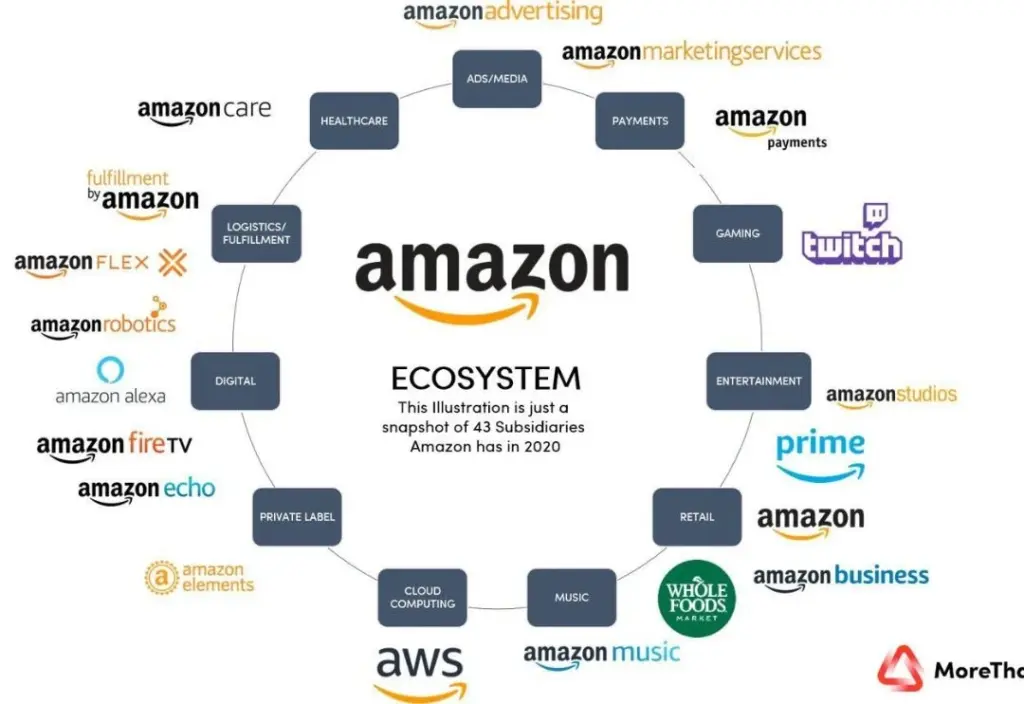
Amazon Ecosystem Diagram
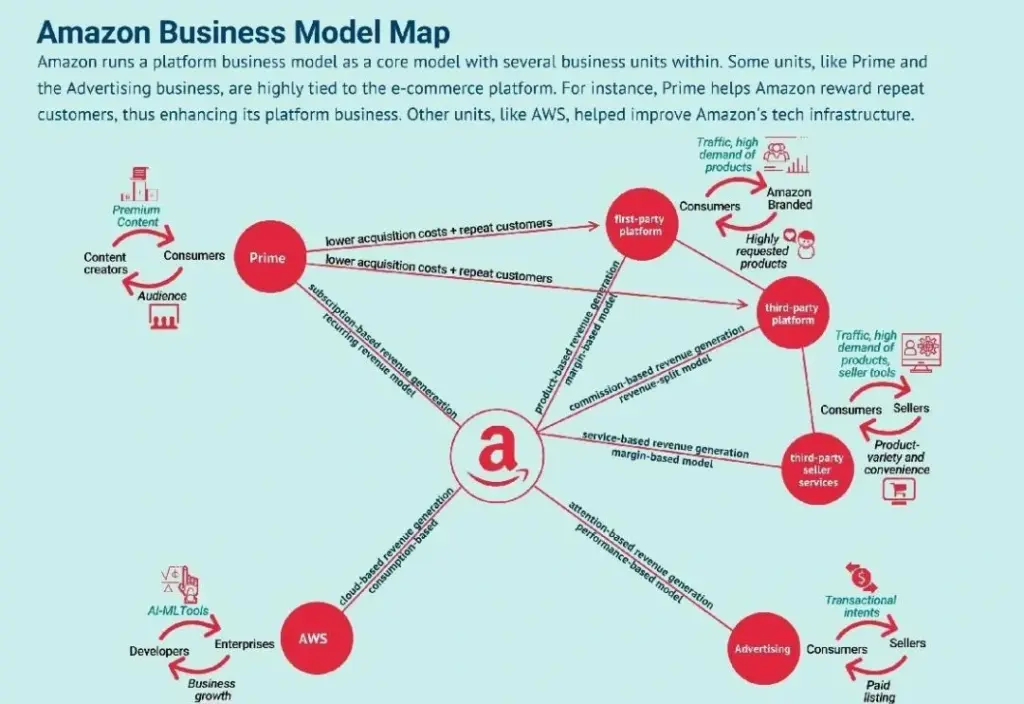
Amazon follows a diversified business model consisting of:
E-Commerce Marketplace
Amazon connects buyers and third-party sellers through its marketplace platform.
Amazon Prime
A service that provides:
- Fast shipping
- Prime Video
- Prime Music
- Exclusive deals
Amazon Web Services (AWS)
✔ AWS is the top-grossing cloud computing platform and plays a major part in Amazon’s profits.
✔ Advertising Business
✔ Amazon sells products and advertisements by the brands.
✔ Logistics Network
✔ Amazon operates warehouses, transportation and last-mile distribution systems.
✔ This enables Amazon to bring in various incomes.
Marketing Objective or Business Challenge
Online Shopping Growth Graph

Amazon faces several marketing challenges:
Increasing Competition
Competitors include:
Customer Retention
Customers have many shopping alternatives, making loyalty important.
Building Trust
Amazon must continuously maintain trust regarding product quality, delivery, and customer service.

Global Expansion
Each market needs a specific strategy and localization.
Amazon’s main goal of marketing is to maximise their customer’s lifetime value, whilst keeping them satisfied.
Amazon’s Marketing Campaigns and Strategy
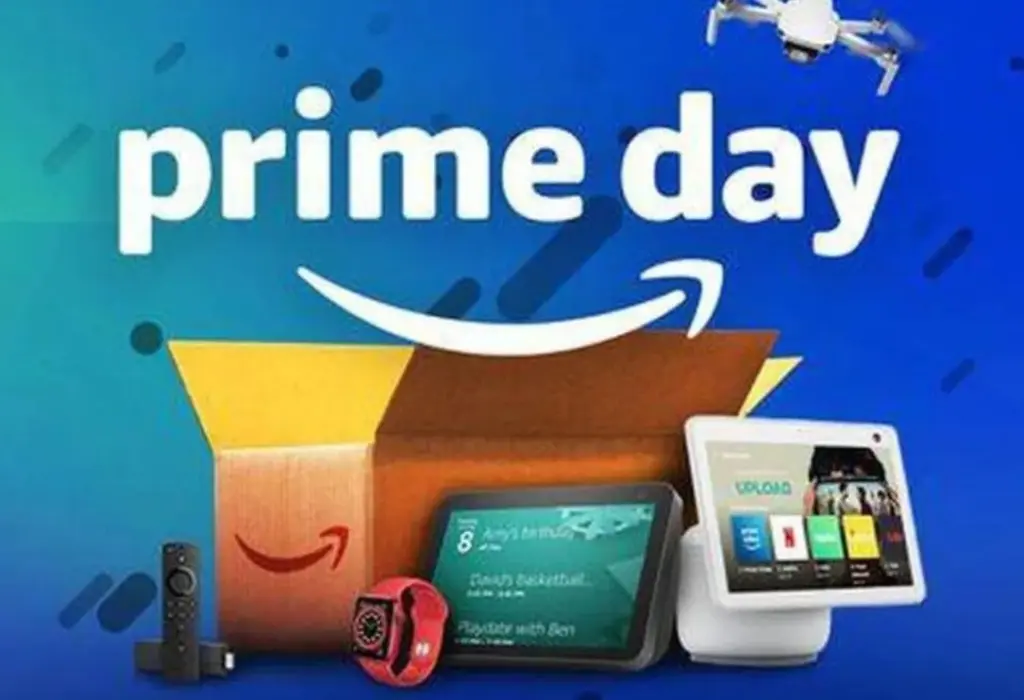
Prime Day Promotion
Amazon uses various marketing campaigns to attract customers.
Prime Day
One of Amazon’s biggest annual events offering:
- Massive discounts
- Exclusive member benefits
- Limited-time offers
Festival Sales
Examples:
- Great Indian Festival
- Black Friday
- Cyber Monday

Influencer Marketing
Amazon collaborates with content creators and influencers to promote products.
Personalized Promotions
Using AI and customer data, Amazon recommends products based on user behavior.
These campaigns create urgency and increase purchase rates.
Amazon’s Digital Marketing Strategy
Digital Marketing Dashboard

Amazon’s digital marketing is geared towards customer acquisition and retention.
The term SEO stands for ‘Search Engine Optimization’.SEO (Search Engine Optimization’)
Amazon has a high rank for millions of product-related keywords.
Content Marketing
Product descriptions, reviews, buying guides, and blogs provide information to assist customers in their choice.
Email Marketing
Amazon sends:
- Product recommendations
- Order updates
- Personalized offers

Mobile Marketing
Personalized experiences and notifications via the Amazon mobile app.
Retargeting
Amazon reminds users about products they viewed but didn’t purchase.
Amazon’s Social Media Marketing Strategy
Amazon is not just leveraging social media to market products, they are using it to create brand awareness, engage users, and boost sales. The company has an active presence on major social media platforms and customizes content for each platform.
Main Objectives of Amazon’s Social Media Marketing
✔ Increase brand awareness
✔ Drive website traffic
✔ Encourage sales and promotions
✔ Improve customer engagement
✔ Strengthen customer loyalty
✔ Assist new products to market
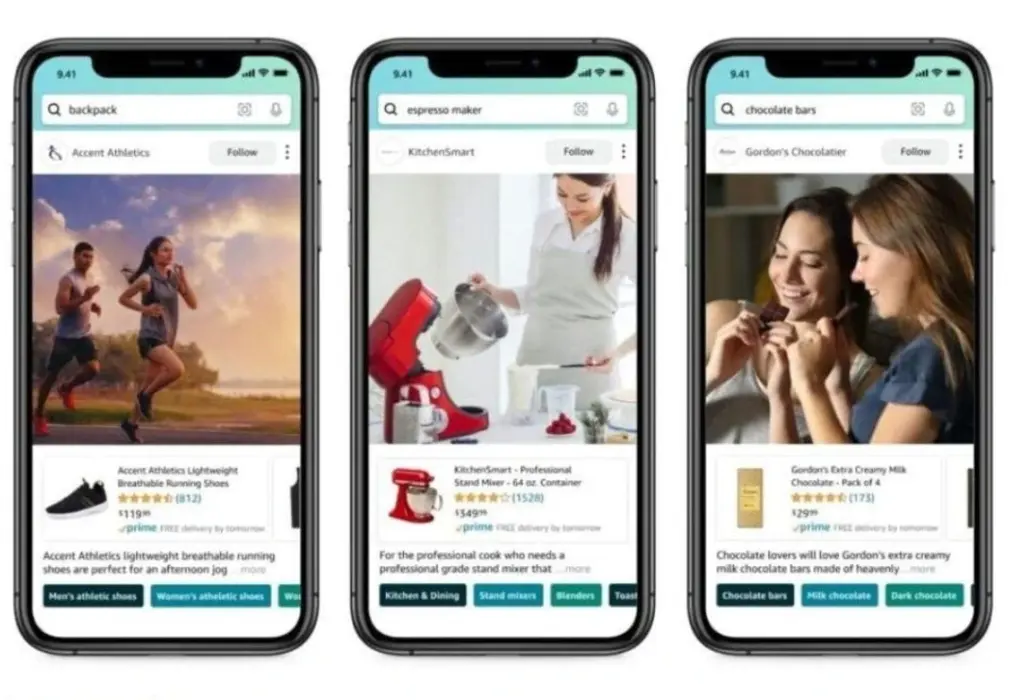
Instagram Marketing
Amazon uses Instagram in the following ways:
- Product showcases
- Lifestyle content
- Reels and short-form videos
- Influencer collaborations
- Festival sale promotions
Why It Works
Instagram’s visual nature helps Amazon display products attractively and connect with younger audiences.
Facebook Marketing
Amazon uses Facebook to:
✔ Offer promotions and sales
✔ Share product recommendations
✔ Run targeted advertisements
✔ Provide customer support
✔ Make sure to publicize key sales occasions.
Benefits
Advanced targeting features of Facebook enable Amazon to target specific groups of customers, depending on their interests, age, location and purchase behavior.
YouTube Marketing
YouTube provides an excellent platform for Amazon to use by:
- Product demonstrations
- Brand storytelling
- Prime Video promotions
- Customer testimonials
- Influencer partnerships
Benefits :
Video content is effective in developing trust and building customer understanding of products.
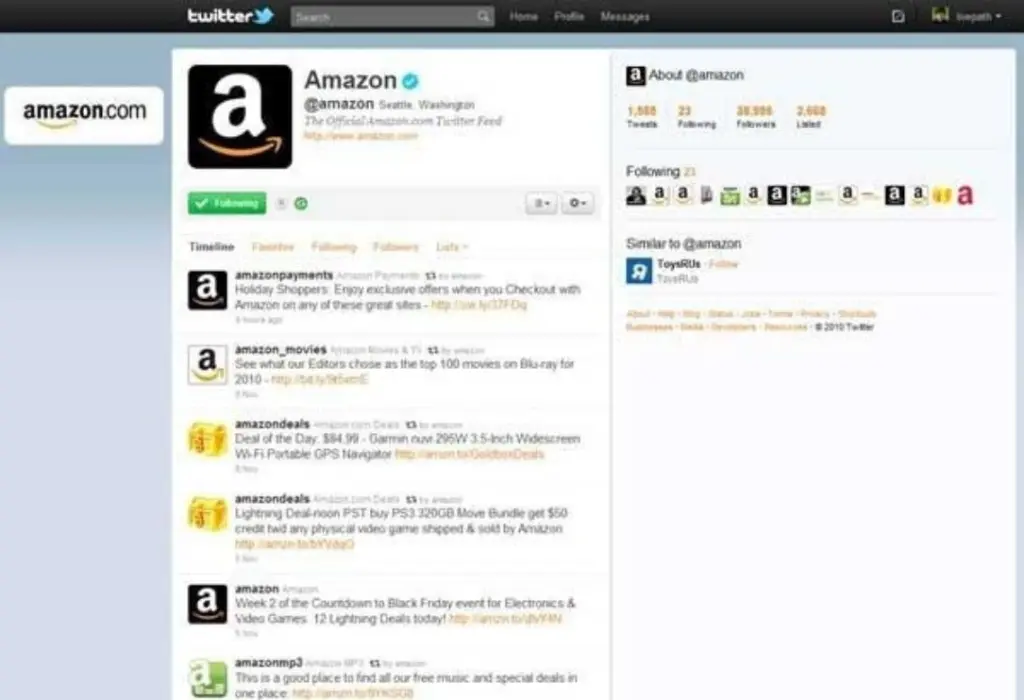
X (Twitter) Marketing
Amazon uses X (formerly Twitter) for:
✔ Real-time customer support
✔ Product announcements
✔ Sale promotions
✔ Brand engagement
✔ Trend participation
Benefits
Allows Amazon to communicate quickly and directly with customers.
Influencer Marketing

Amazon collaborates with:
- YouTubers
- Instagram creators
- Tech reviewers
- Lifestyle influencers
- Fashion influencers
These influencers:
- Review products
- Share affiliate links
- Promote Prime Day offers
- Create unboxing videos
Benefits
Influencers increase trust and help Amazon reach niche audiences.
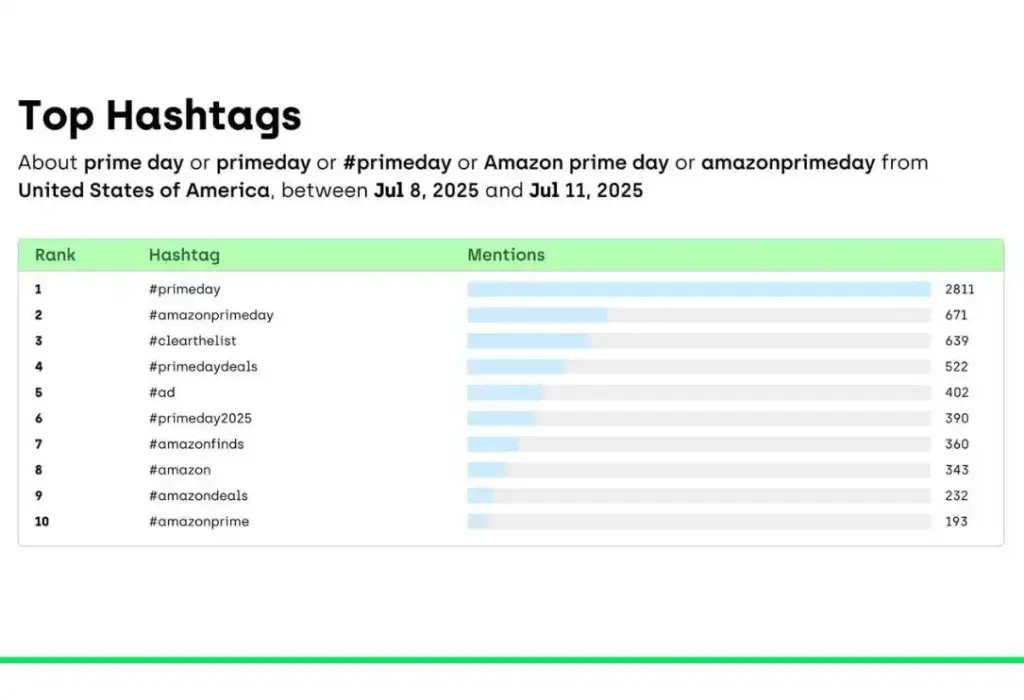
Social Media Campaign Example: Prime Day

Campaign Highlights
✔ Countdown posts
✔ Influencer collaborations
✔ Video advertisements
✔ Hashtag campaigns
✔ Live product showcases
Results
- Increased website traffic
- Higher engagement rates
- Increased Prime subscriptions
- Significant sales growth
Key Takeaways from Amazon’s Social Media Strategy
| Strategy | Purpose |
|---|---|
| Influencer Marketing | Build trust |
| Instagram Reels | Increase engagement |
| Facebook Ads | Target customers |
| YouTube Videos | Product education |
| X (Twitter) Updates | Real-time communication |
| Prime Day Campaigns | Drive massive sales |
Marketing Channels Used by Amazon
Multi-Channel Marketing Illustration

Amazon uses multiple marketing channels:
Organic Search
SEO-driven traffic from search engines.
Paid Advertising
Google Ads and sponsored product ads.

Social Media
Platforms include:
Mobile App
Push notifications drive engagement.
Affiliate Marketing
Partners earn commissions by promoting Amazon products.
Amazon Marketing Strategy Breakdown

Customer Journey Map
Customer-Centric Approach
Amazon focuses on solving customer problems.
Data-Driven Decisions
Customer behavior data drives marketing decisions.
Personalization
AI recommends products based on browsing and purchase history.
Competitive Pricing
Dynamic pricing helps Amazon stay competitive.
Fast Delivery
Same-day and next-day delivery increase customer satisfaction.
This integrated strategy strengthens customer loyalty and increases repeat purchases.
Results & Impact
Business Growth Chart

Amazon’s marketing efforts have produced remarkable results.
Key Achievements
✔ Global market leadership in e-commerce
✔ Millions of Prime subscribers
✔ Strong brand recognition
✔ High customer retention
✔ Significant revenue growth
Brand Impact
Amazon is widely recognized for:
- Convenience
- Fast delivery
- Reliability
- Product variety
Its customer-first philosophy has become a benchmark for businesses worldwide.
What Worked & Why
Happy Customer Shopping Online
Personalization
Customers receive relevant product recommendations.
Prime Membership
Creates long-term customer loyalty.
Fast Shipping
Improves customer satisfaction.
User Reviews
Build trust and support purchasing decisions.
AI & Automation
Enhance customer experience and operational efficiency.
These factors contribute significantly to Amazon’s market leadership.
What Didn’t Work & Why
✔ Customer Complaints Concept
✔ Despite its success, Amazon faces challenges.

Counterfeit Products
✔ Some third-party sellers offer fake products.
Seller Complaints
✔ Small sellers sometimes struggle with fees and competition.
Privacy Concerns
✔ Large-scale data collection raises customer concerns.
Delivery Challenges
✔ Occasional delays impact customer satisfaction.
✔ These issues can affect trust and brand reputation.
Student Recommendations: Key Areas for Brand Improvement
Innovation and Improvement Concept

Stronger Product Verification
Improve monitoring of third-party sellers.
Enhanced Sustainability
Expand eco-friendly packaging initiatives.
Better Seller Support
Provide more resources and training for small businesses.
Greater Data Transparency
Clearly communicate data privacy policies.
Localized Marketing
Create region-specific campaigns for global markets.
These improvements can further strengthen Amazon’s competitive advantage.
Conclusion
Amazon Global Presence

Amazon is one of the most successful brands in the world due to its customer-centric philosophy, technological innovation, and strong digital marketing strategies. Through personalized experiences, efficient logistics, Prime membership benefits, and data-driven decision-making, Amazon has built a powerful competitive advantage.
Although challenges such as counterfeit products, privacy concerns, and seller issues remain, Amazon continues to innovate and adapt. Its marketing strategy provides valuable lessons for businesses seeking growth in the digital age.
Key Takeaway: Amazon’s success demonstrates that understanding customer needs and consistently delivering value are the foundations of sustainable business growth.
