Adidas Business Strategy Case Study: From Sportswear to Lifestyle

The Adidas marketing strategy has always been more than simply selling sportswear — it represents ambition, performance, creativity, and lifestyle culture across the world.
While Adidas enjoys strong global recognition through its iconic three-stripe identity and premium athletic image, the brand’s biggest challenge today is staying relevant among younger, digital-first consumers while competing against fast-growing global sportswear and fashion brands.
The company’s primary objective is to strengthen emotional brand loyalty, increase direct-to-consumer sales, expand digital engagement, and maintain its position as a leader in both sports performance and streetwear fashion. Adidas aims to connect with consumers not only through products, but through storytelling, innovation, sustainability, and cultural influence.
Another major challenge for Adidas is balancing sports performance with lifestyle fashion trends. Modern consumers expect brands to provide high-quality athletic products while also delivering stylish and socially relevant designs. To address this, Adidas combines athlete endorsements, celebrity collaborations, social media engagement, and limited-edition product launches to create excitement and brand value.
Case Study on Adidas
Table of Contents
- About Adidas
- The Adidas Business Model
- Marketing Objective or Business Challenge
- Adidas Marketing Campaigns and Strategy
- Adidas Digital Marketing Strategy
- Marketing Channels Used by Adidas
- Adidas Marketing Strategy Breakdown
- Results & Impact
- What Worked & Why
- What Didn’t Work & Why
- Student Recommendations: Key Areas for Brand Improvement
- Conclusion
1. About Adidas
Adidas Official Website

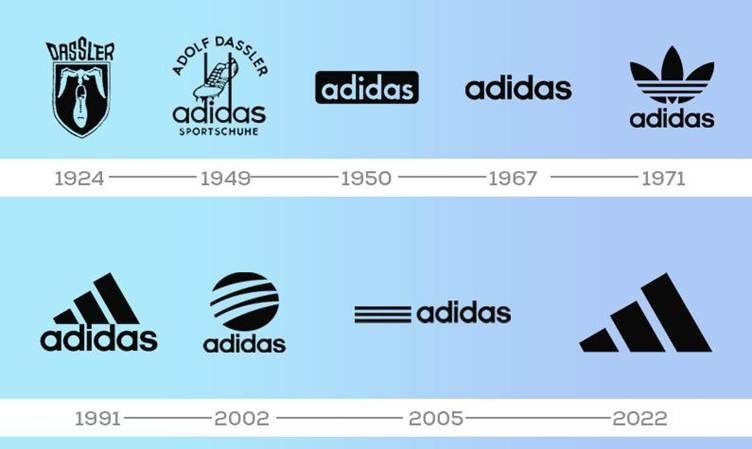
Adidas is one of the world’s leading sportswear and lifestyle brands. The company was founded in 1949 by Adolf “Adi” Dassler in Germany. Adidas is famous for its iconic three-stripe logo and is recognized globally for producing athletic shoes, sportswear, accessories, and equipment.
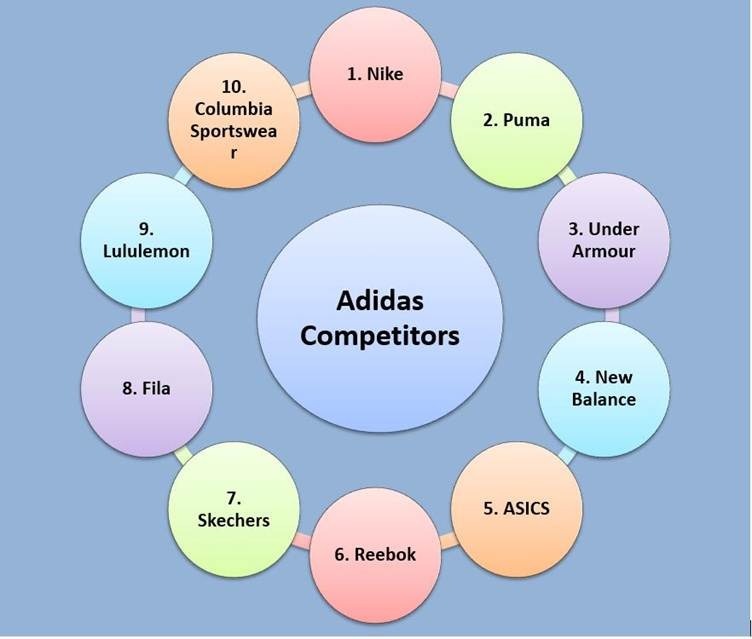
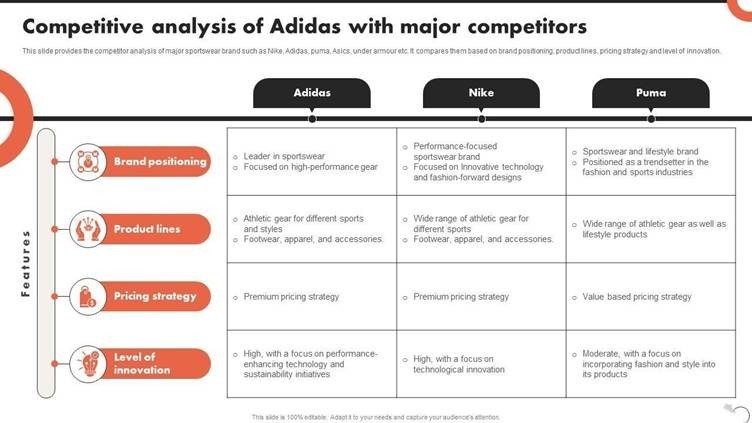
The brand initially focused on creating high-quality sports shoes for athletes. Over time, Adidas expanded into fashion, streetwear, and digital sports culture. Today, the company operates in more than 160 countries and competes with major global brands such as Nike and Puma.

Adidas has successfully positioned itself as both a performance sports brand and a fashion-oriented lifestyle brand. Through innovation, celebrity endorsements, and creative marketing, the company has maintained strong global visibility.
2. The Adidas Business Model
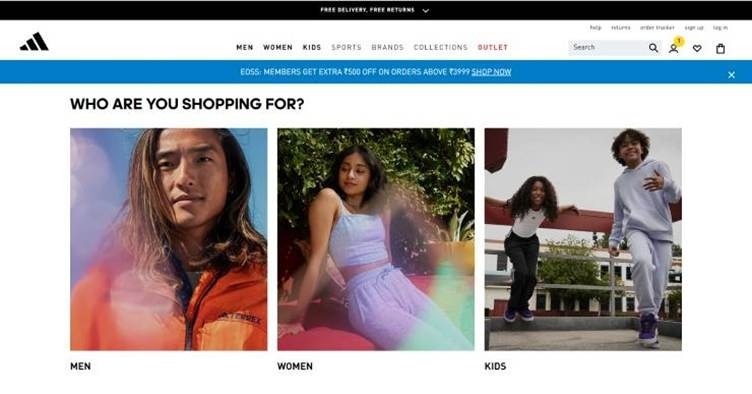
Adidas follows a direct-to-consumer (DTC) and wholesale business model.

Key Components of the Business Model
- Product Sales:
Adidas earns revenue primarily through footwear, apparel, and accessories. - Retail Stores:
The company operates branded retail outlets across the world. - E-commerce Platform:
Adidas generates significant online sales through its website and mobile applications. - Collaborations and Partnerships:
The brand collaborates with athletes, celebrities, and designers to launch limited-edition products. - Sports Sponsorships:
Adidas sponsors sports teams, athletes, and international events to increase brand visibility.
The company focuses heavily on innovation, sustainability, and customer experience to maintain competitive advantage.
3. Marketing Objective or Business Challenge
One of Adidas’s major marketing objectives has been to strengthen its position among younger consumers while competing against powerful global brands.
Main Challenges Faced by Adidas
🗹 Strong competition from Nike and other sportswear brands
🗹 Rapidly changing fashion trends
🗹 Maintaining relevance among Gen Z customers
🗹 Balancing sports performance with lifestyle fashion
🗹 Sustainability concerns in manufacturing and supply chains
To overcome these challenges, Adidas adopted aggressive digital marketing, influencer partnerships, and sustainable product innovations.
4. Adidas Marketing Campaigns and Strategy

Adidas is known for emotional storytelling and inspirational marketing campaigns.
“Impossible is Nothing” Campaign
This campaign focused on motivating athletes and young consumers to overcome obstacles and achieve their goals. It featured famous athletes and inspiring stories.

Celebrity Collaborations
Adidas collaborated with celebrities and designers such as:
🗹 Kanye West
🗹 Beyoncé
🗹 Lionel Messi
These collaborations helped Adidas attract fashion-conscious consumers and create hype around product launches.
Sports Sponsorships
Adidas sponsors football clubs, athletes, and global sporting events to maintain strong visibility in sports culture.
5. Adidas Digital Marketing Strategy

Adidas uses advanced digital marketing techniques to engage customers globally.
Social Media Marketing
Adidas is highly active on platforms like:
The brand shares sports content, athlete stories, product launches, and influencer collaborations.

Influencer Marketing
Adidas partners with athletes, fitness creators, and fashion influencers to increase credibility and audience engagement.
E-commerce and Mobile Apps
The Adidas app provides personalized shopping experiences, loyalty rewards, and exclusive product releases.
Data-Driven Marketing
Adidas uses customer data and analytics to create targeted advertising campaigns and improve customer experiences.
6. Marketing Channels Used by Adidas

Adidas uses multiple marketing channels to reach consumers.
Main Marketing Channels
| Channel | Purpose |
| Social Media | Brand engagement and awareness |
| Television Ads | Mass audience reach |
| E-commerce Website | Online product sales |
| Mobile Apps | Customer retention |
| Influencer Marketing | Trust and social proof |
| Retail Stores | Physical customer experience |
| Sponsorships | Brand visibility in sports |
This multi-channel approach helps Adidas maintain strong global brand awareness.
7. Adidas Marketing Strategy Breakdown

Target Audience
Adidas targets:
🗹 Athletes
🗹 Fitness enthusiasts
🗹 Young consumers
🗹 Fashion-conscious customers
Brand Positioning
Adidas positions itself as a premium sports and lifestyle brand focused on performance, innovation, and creativity.
Product Strategy
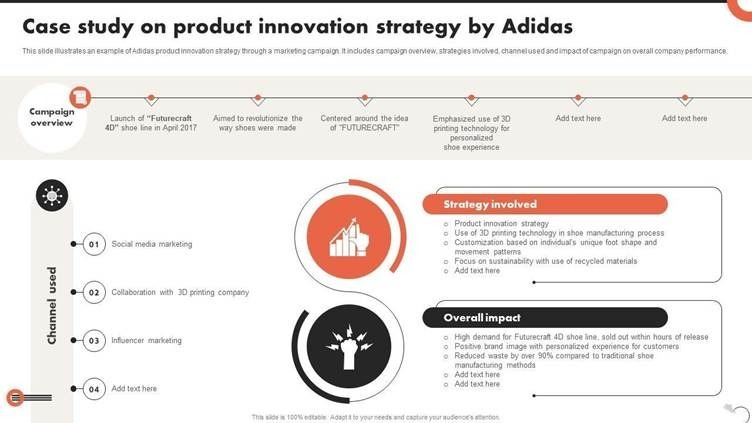
The company frequently launches innovative products with modern designs and sustainability features.

Pricing Strategy
Adidas follows premium pricing for exclusive collections while also offering affordable products for mass consumers.
Sustainability Strategy
The company has introduced eco-friendly initiatives such as recycled materials and sustainable manufacturing processes.
8. Results & Impact
Adidas has achieved strong global success due to its innovative marketing and branding strategies.

Major Results
🗹 Strong global brand recognition
🗹 Millions of loyal customers worldwide
🗹 Increased online sales growth
🗹 Successful celebrity collaborations
🗹 Strong presence in sports and fashion industries
🗹 Adidas continues to remain one of the top sportswear brands globally.
9. What Worked & Why?
Successful Factors
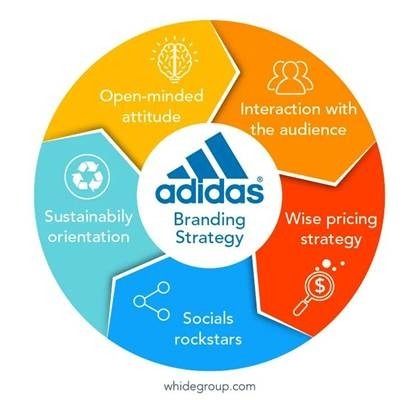
🗹 Strong emotional branding
🗹 Effective celebrity partnerships
🗹 Consistent social media presence
🗹 High product quality
🗹 Innovation and sustainability efforts
These factors helped Adidas build strong customer trust and global popularity
10. What Didn’t Work & Why?
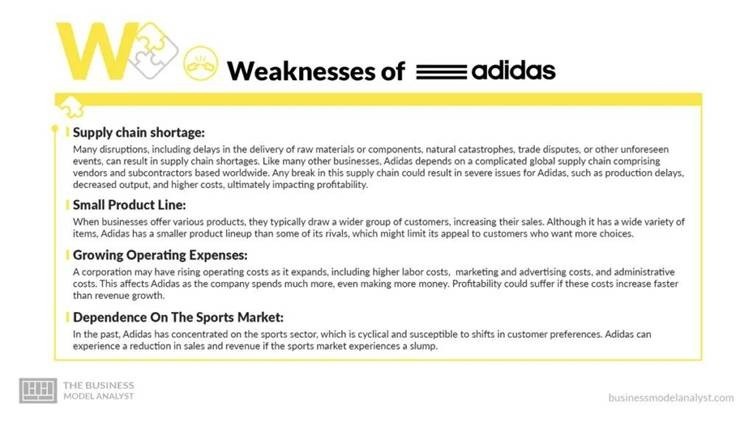
Despite its success, Adidas faced several challenges.
Weak Areas
🗹 Overdependence on some celebrity collaborations
🗹 Strong competition from rival brands
🗹 Supply chain disruptions
🗹 Pricing concerns in some markets
For example, controversies related to certain celebrity partnerships negatively affected brand reputation and sales in some periods.
11. Student Recommendations: Key Areas for Brand Improvement

Recommendations
🗹 Increase focus on sustainability initiatives
🗹 Expand AI-powered personalized shopping experiences
🗹 Improve affordability in emerging markets
🗹 Increase collaborations with local influencers
🗹 Invest more in women’s sports categories
🗹 Strengthen customer loyalty programs
These improvements can help Adidas remain competitive in the future.
12. Conclusion

Adidas has successfully transformed from a small German shoe company into one of the world’s most recognized sportswear brands. Through strong branding, emotional storytelling, digital marketing, athlete sponsorships, and innovation, the company has built a powerful global presence.
Its ability to combine sports performance with fashion trends has helped Adidas remain relevant across generations. Although the company faces competition and market challenges, its commitment to creativity, sustainability, and customer engagement continues to drive long-term success.
Overall, Adidas represents an excellent example of modern global branding and strategic marketing excellence.