Mercedes-Benz Case Study: Building a Global Luxury Brand
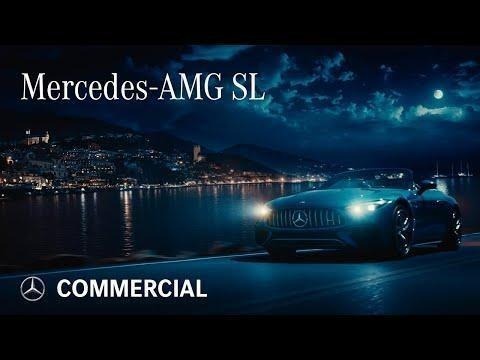
Mercedes-Benz Case Study
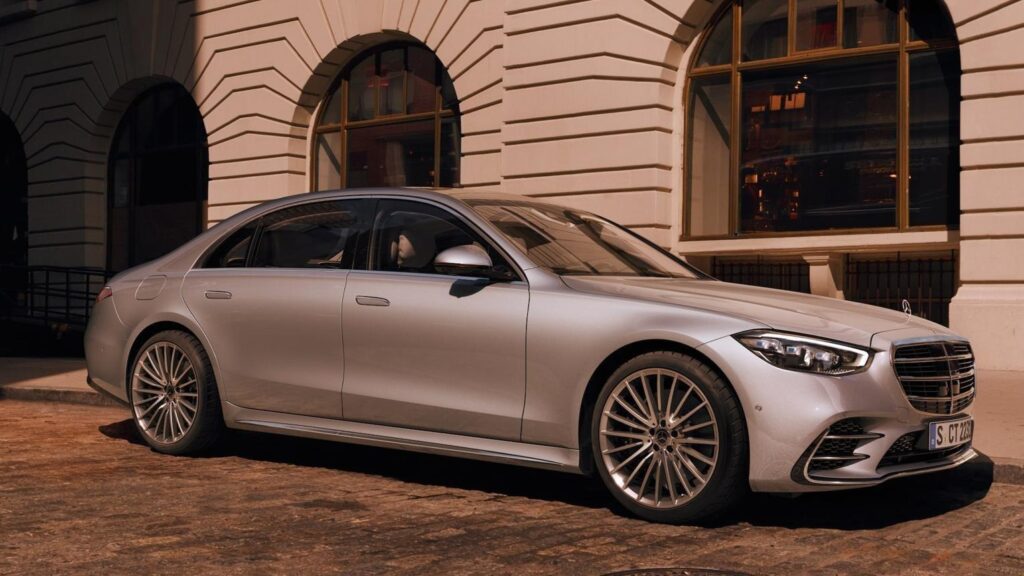
Mercedes-Benz is one of the most valuable and recognized luxury automotive brands in the world. Founded on innovation, engineering excellence, safety, and premium customer experience, the company has successfully maintained its position as a global leader in the luxury automobile market for more than a century.
The brand operates in over 150 countries and serves millions of customers through an extensive network of dealerships, digital platforms, and mobility solutions. Mercedes-Benz’s
marketing strategy focuses on premium positioning, technological innovation, emotional storytelling, motorsports, sustainability, and digital transformation.
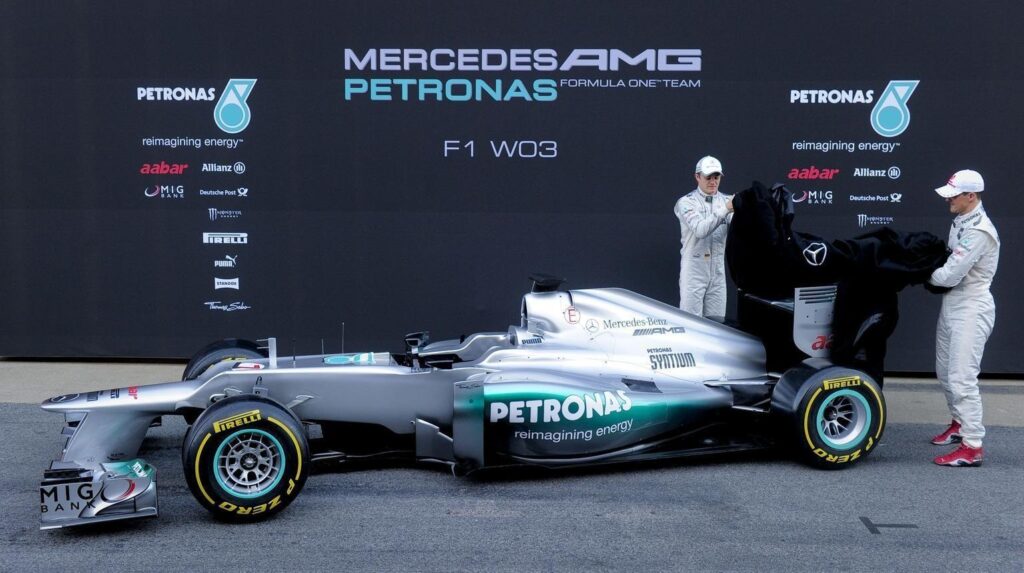
Today, the company is investing heavily in electric mobility through its EQ product line while continuing to strengthen its luxury and performance segments. Through strategic partnerships, Formula 1 sponsorships, influencer marketing, and social media engagement, Mercedes-Benz has built one of the strongest automotive brand communities globally.
About Mercedes-Benz
Company Overview
Mercedes-Benz is a German luxury automobile manufacturer known for producing premium cars, SUVs, electric vehicles, performance vehicles, and commercial vans.
Key Facts
Category Details
➤ Brand Name Mercedes-Benz
➤ Founded 1926
➤ Headquarters Stuttgart, Germany Parent Company Mercedes-Benz GroupAG Industry Automotive
➤ Presence 150+ Countries
➤ Employees 100,000+
➤ Tagline The Best or Nothing
Core Brand Values
- Luxury
- Innovation
- Performance
- Safety
- Sustainability
- Customer Excellence
Why Mercedes-Benz Became Successful?
Mercedes-Benz built its reputation through:
- World-class engineering
- Advanced safety technologies
- Premium customer experience
- Strong brand heritage
- Consistent innovation
- Global marketing excellence
Founders, Ownership & Leadership
Founders
Karl Benz
Inventor of the world’s first practical automobile.
Gottlieb Daimler
Automotive engineer and industrial pioneer.
Wilhelm Maybach
Legendary engineer known for vehicle design innovation.
Ownership Structure
Mercedes-Benz operates under:
Mercedes-Benz Group AG
The company is publicly traded and owned by institutional investors, investment firms, and shareholders worldwide.
Company History & Timeline
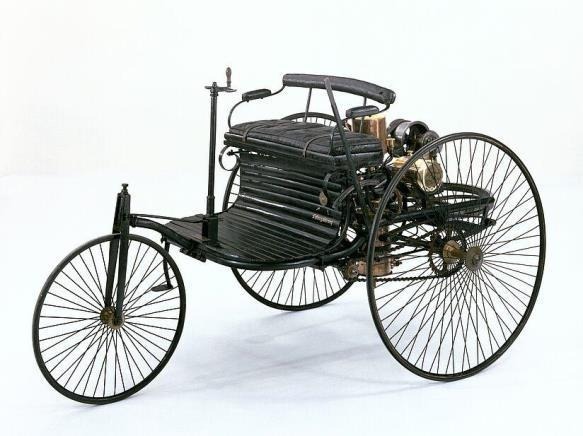
1886 – Birth of the Automobile
Karl Benz introduced the Benz Patent-Motorwagen, considered the first practical automobile.
1901 – Mercedes Name Introduced
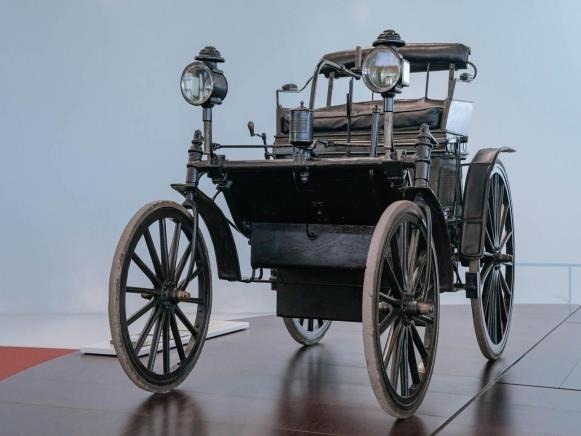
The Mercedes brand name appeared for the first time.
1926 – Official Formation
Benz & Cie and Daimler-Motoren-Gesellschaft merged to form Mercedes-Benz.
1950s–1980s
Expansion into:
- Luxury vehicles
- Commercial vehicles
- Motorsport
1990s–2010s
Global expansion accelerated through:
- Premium sedans
- Luxury SUVs
- AMG performance division
2020–Present
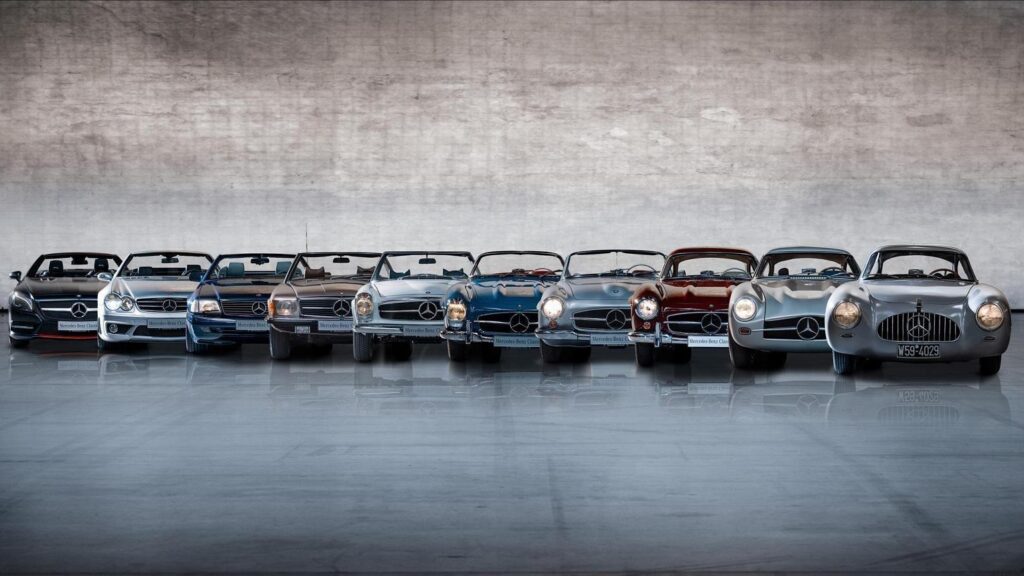
Focus shifted toward:
- Electric Vehicles
- Autonomous Technology
- Artificial Intelligence
- Sustainability
Vision, Mission & Brand Positioning
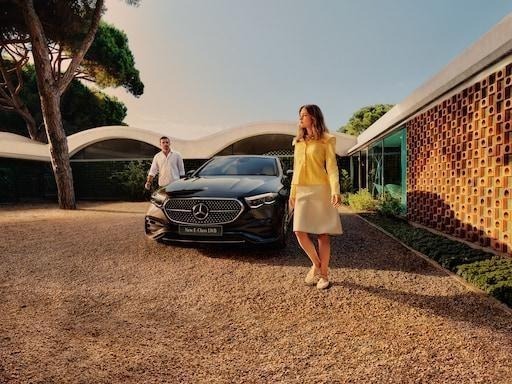
Vision
To create the most desirable luxury cars in the world while leading innovation and sustainability.
Mission
Deliver premium mobility experiences through innovation, quality, and customer-centric design.
Brand Positioning
Mercedes-Benz positions itself as:
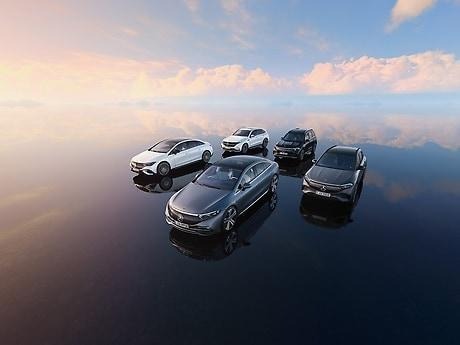
Premium Luxury Brand
The company does not compete primarily on price. Instead, it competes on:
- Prestige
- Technology
- Performance
- Heritage
- Exclusivity
Brand Personality
Mercedes-Benz communicates:
- Success
- Sophistication
- Achievement
- Confidence
- Innovation
Brand Evolution
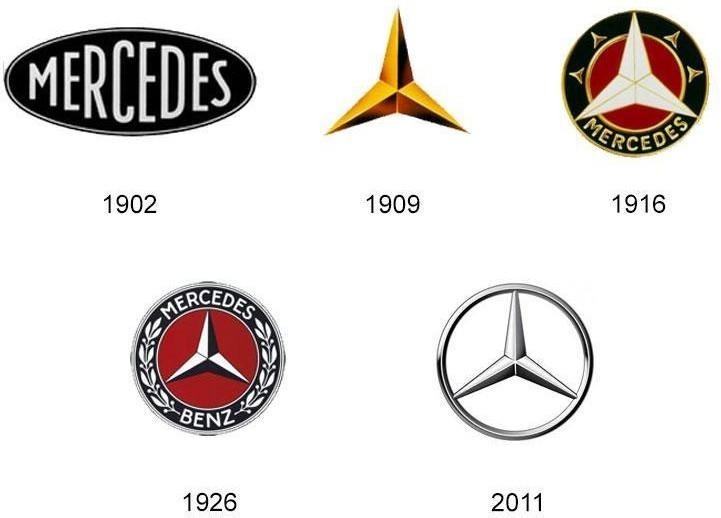
Mercedes-Benz has evolved from a traditional luxury automaker into a technology-driven mobility company.
Key Evolution Stages
- Automobile Pioneer
- Luxury Leader
- Performance Innovator
- Digital Transformation
- Electric Mobility Leader
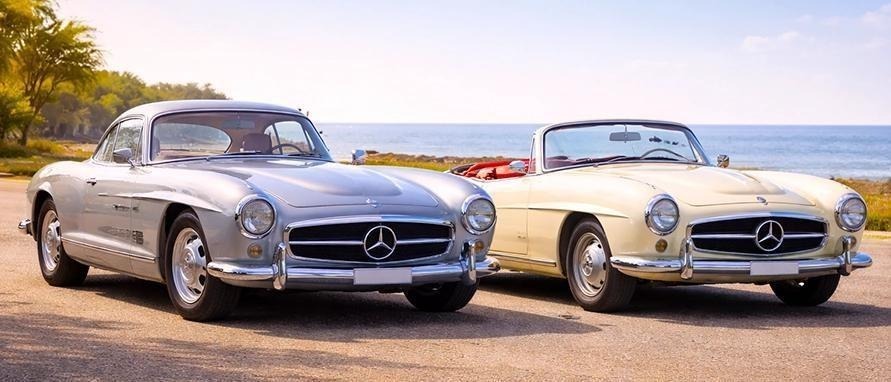
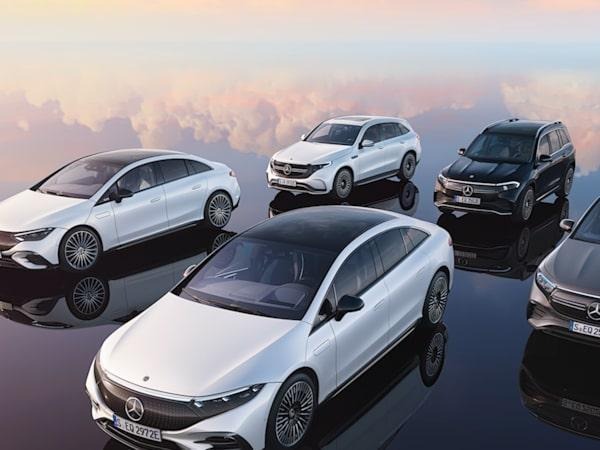
Business Model Revenue Sources Vehicle Sales
- Sedans
- SUVs
- Electric Vehicles
- Performance Cars
Financial Services
- Leasing
- Financing
- Insurance
After-Sales Revenue
- Service Packages
- Genuine Parts
- Accessories
Fleet & Corporate Sales
- Government Contracts
- Corporate Vehicles
- Fleet Solutions
Product Portfolio

Luxury Sedans
- A-Class
- C-Class
- E-Class
- S-Class
SUVs
- GLA
- GLC
- GLE
- GLS
- G-Class
Performance Division
Mercedes-AMG Electric Division Mercedes-EQ

Target Audience Analysis
Primary Target Audience
High-Income Professionals
Mercedes-Benz primarily targets:
- CEOs
- Business Owners
- Entrepreneurs
- Corporate Executives
- High-Net-Worth Individuals
Why This Audience?
These customers seek:
- Status
- Comfort
- Performance
- Safety
- Brand Prestige
Secondary Target Audience
Young Luxury Buyers
Age Group:
- 25–40 Years
Target Interests:
- Technology
- Premium Lifestyle
- Social Status
- Innovation
Popular Models:
- A-Class
- CLA
- GLA
- C-Class
Electric Vehicle Buyers
Mercedes has recently expanded toward:
- Environment-conscious consumers
- Technology enthusiasts
- Premium EV buyers
Products:
- EQS
- EQE
- EQA
- EQB
Market Presence & Global Expansion
Global Reach
Mercedes-Benz operates in:
- Europe
- North America
- South America
- Middle East
- Asia-Pacific
- Africa
Strongest Markets
- Germany
- China
- United States
- United Kingdom
- India
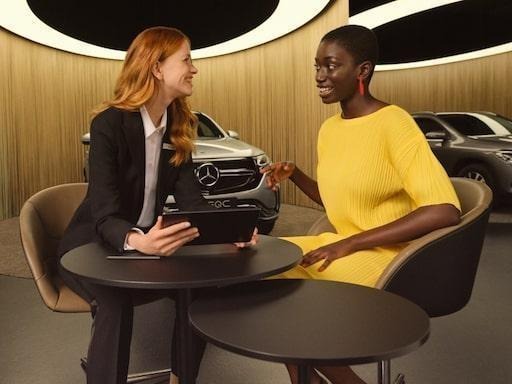
Distribution Network
Mercedes uses:
- Authorized Dealers
- Luxury Experience Centers
- Online Vehicle Configuration
- Direct Digital Sales
Brand Ambassadors & Influencer Marketing
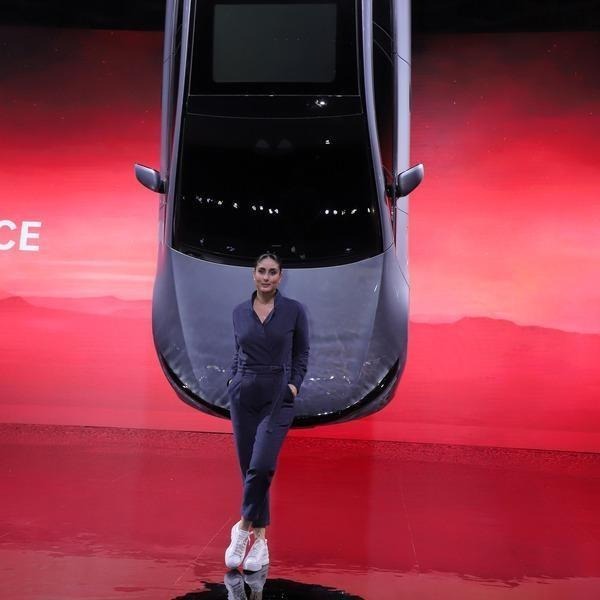
Why Brand Ambassadors?
Mercedes sells aspiration and lifestyle, not just vehicles.
The company partners with celebrities who represent:
- Excellence
- Success
- Luxury
- Performance Lewis Hamilton Role
Formula 1 Superstar
Impact
- Massive global reach
- Performance credibility
- Motorsport authority
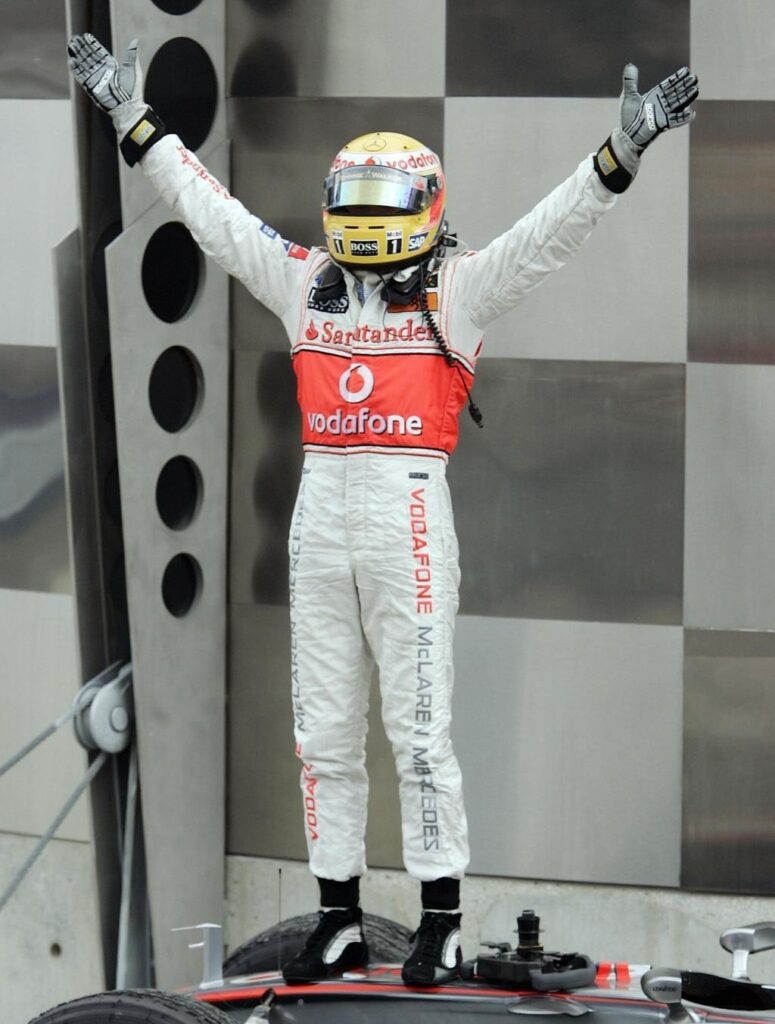
Marketing Value
Millions of racing fans associate Mercedes with speed and innovation.
Roger Federer Positioning Luxury + Elegance Benefits
- Premium audience appeal
- Global recognition
- Strong trust factor
Market India Impact
- Massive fan following
- Luxury lifestyle association
- Youth engagement
Marketing Objectives
Core Objectives Brand Leadership
Maintain luxury market dominance.
Increase Sales
Grow luxury and electric vehicle sales.
EV Adoption
Promote Mercedes EQ products globally.
Customer Loyalty Increase repeat purchases. Digital Growth
Expand online engagement and lead generation.
Marketing Challenges
Increasing Competition
Major competitors:
- BMW
- Audi
- Tesla
- Lexus
EV Market Pressure
Tesla changed customer expectations. Mercedes had to accelerate:
- EV Innovation
- Software Development
- Battery Technology
Younger Audience
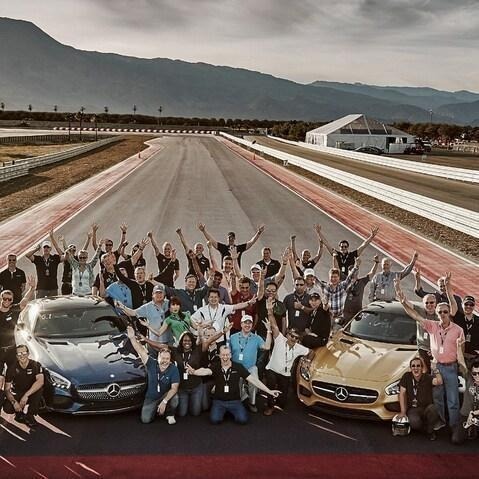
Luxury buyers are becoming younger. Mercedes needed:
- Social Media Expansion
- Influencer Marketing
- Video Content
Traditional Marketing Strategy
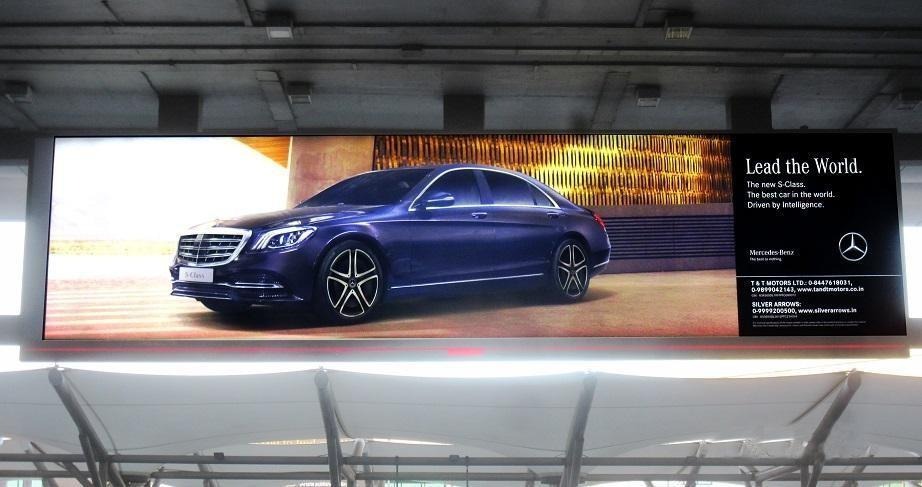
Television Advertising
Premium storytelling campaigns.
Focus Areas
- Luxury
- Innovation
- Performance
- Safety
Print Media
Used in:
- Luxury Magazines
- Business Publications
- Automotive Journals
Events & Sponsorships
Mercedes invests heavily in:
- Formula 1
- Auto Shows
- Product Launches
- VIP Experiences
Formula 1 Marketing Strategy
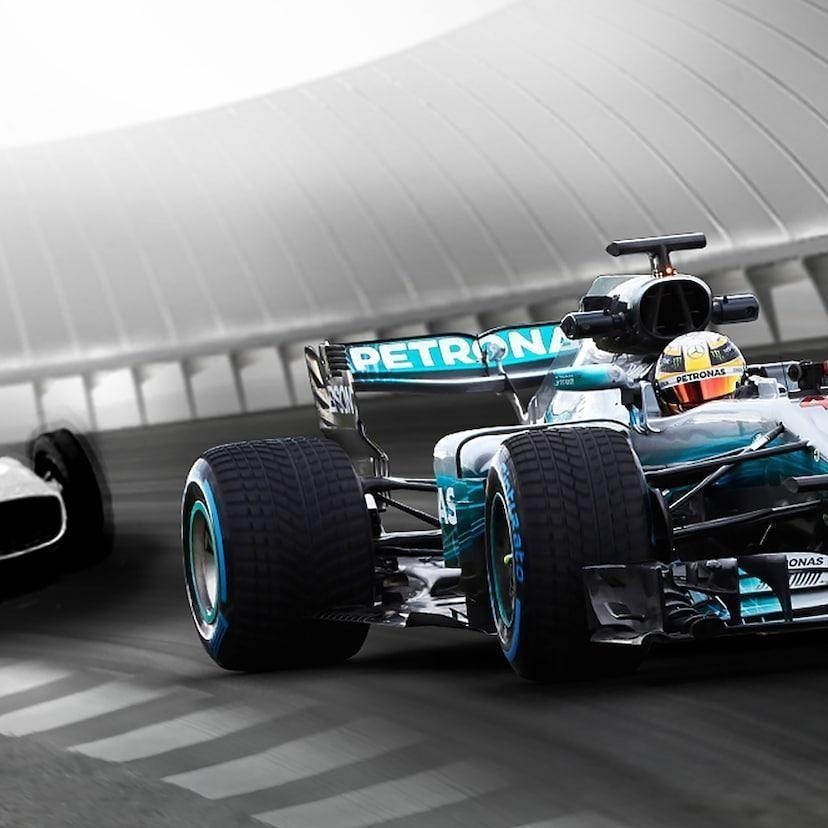
Why Formula 1?
Formula 1 helps Mercedes demonstrate:
- Speed
- Engineering
- Innovation
- Reliability
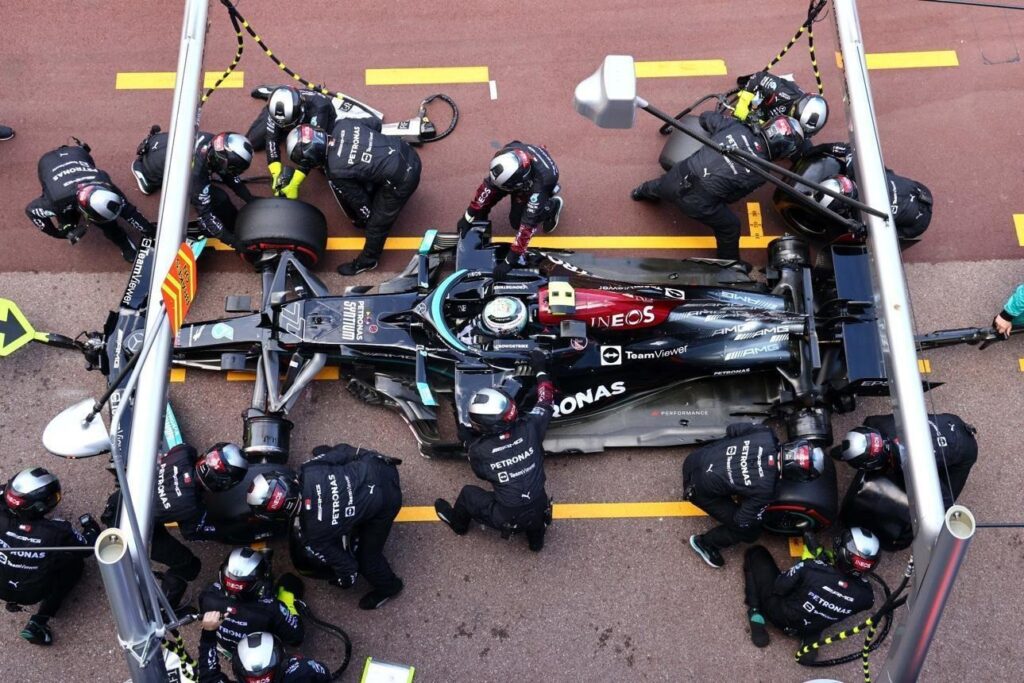
Marketing Benefits
Global Reach
Hundreds of millions of viewers.
Brand Awareness Worldwide exposure. Technology Showcase
Innovation transfers from racing to road cars.
Digital Marketing Strategy
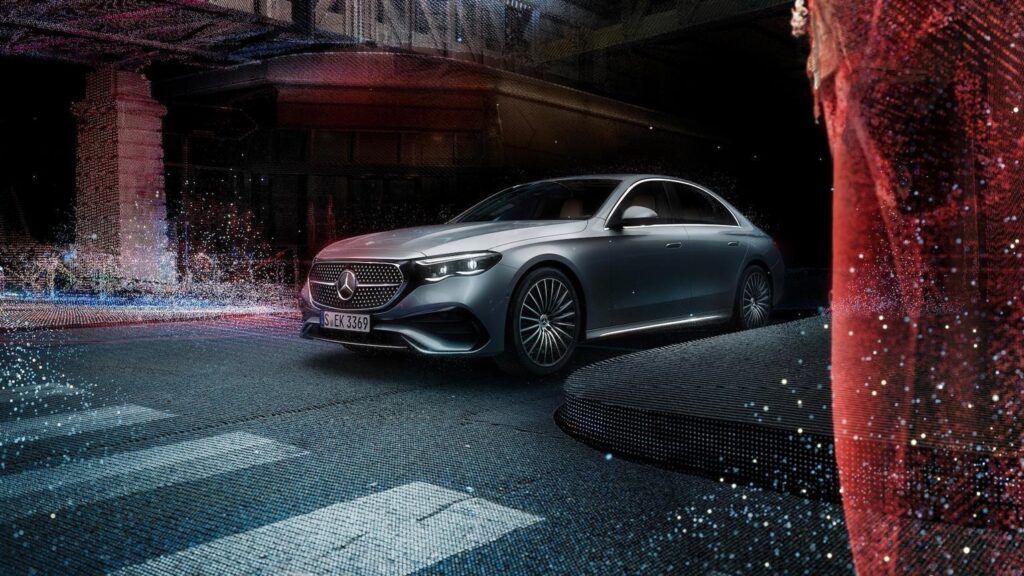
Mercedes spends heavily on digital marketing because luxury buyers research online before purchasing.
Core Digital Channels
Search Marketing Google Ads Objectives:
- Lead Generation
- Dealer Visits
- Vehicle Configurations
Display Advertising
Luxury websites.
Business websites.
Automotive publications.
Video Marketing
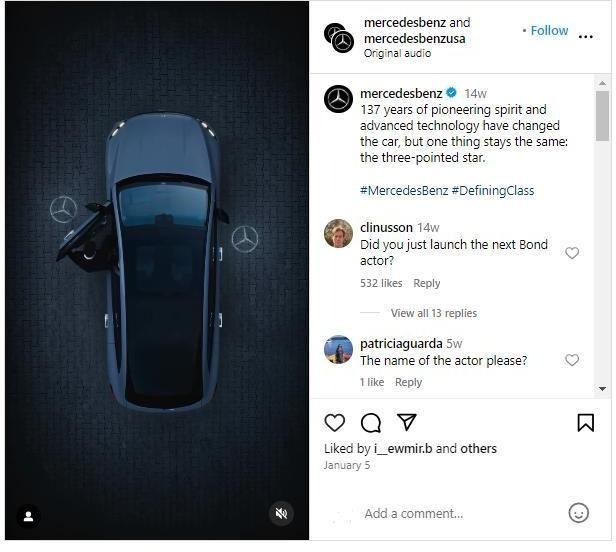
Platforms:
- YouTube
- Instagram Reels
- TikTok
Influencer Marketing
Luxury creators.
Automotive reviewers.
Lifestyle influencers.
Digital Marketing Funnel
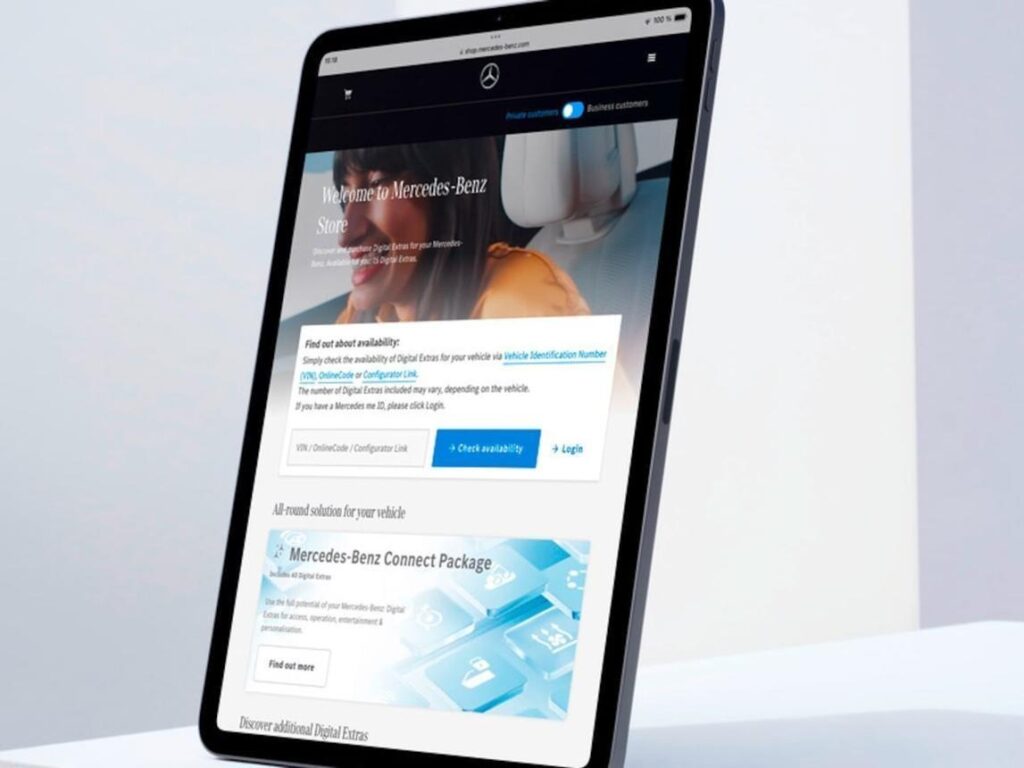
Awareness Stage
Channels:
- YouTube
- Formula 1
Goal:
Brand Awareness
Consideration Stage
Channels:
- Website
- Reviews
- Influencers
Goal:
Product Evaluation
Conversion Stage
Channels:
- Dealers
- Online Booking
- Test Drives Goal:
Vehicle Purchase
Content Marketing Strategy
Main Content Pillars
Luxury Lifestyle
Showcasing successful customers.
Product Features Technology and innovation. Motorsports
Formula 1 content.
Sustainability
EV and EQ initiatives.
Customer Stories
Real ownership experiences.
Why Mercedes Content Performs Well
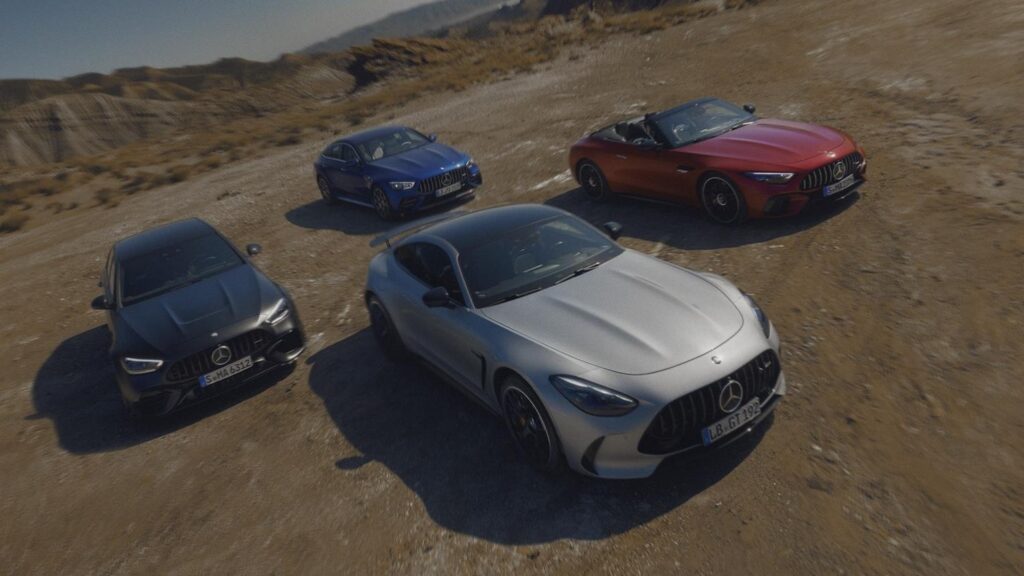
Because it combines:
- Aspirational Lifestyle
- Premium Visuals
- Emotional Storytelling
- Product Excellence
Social Media Strategy & Growth Analysis
Mercedes-Benz uses social media not just to sell cars but to sell a luxury lifestyle. Their content strategy focuses on:
- Premium Visuals
- Luxury Lifestyle
- Product Launches
- Formula 1 Content
- Behind-the-Scenes
- Celebrity Collaborations
- Electric Vehicle Awareness
Instagram Analysis
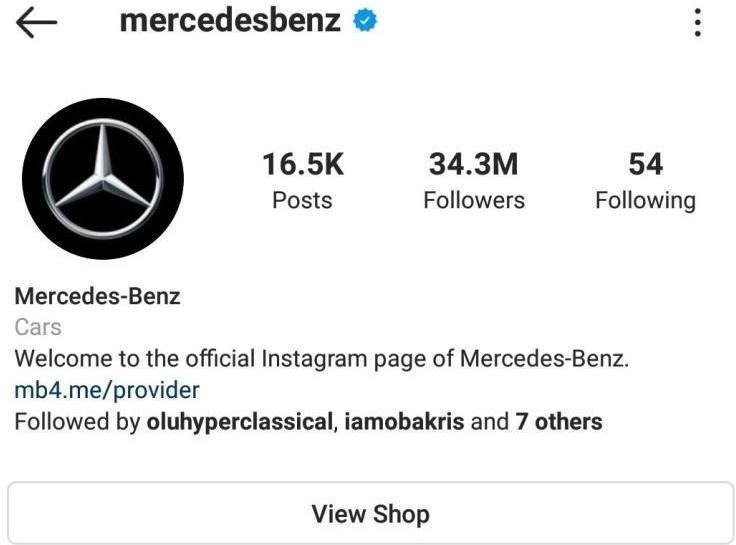
Platform Objective
- Brand Awareness
- Community Building
- Product Launches
- Luxury Positioning
Content Mix
| Content Type | Share |
| Reels | 40% |
| Product Photography | 25% |
| Formula 1 | 15% |
| Lifestyle | 10% |
| Campaigns | 10% |
Official Instagram
Instagram – Mercedes-Benz Official Why Instagram Works
- High-quality photography
- Luxury storytelling
- Consistent visual identity
- Influencer collaborations
Facebook Analysis
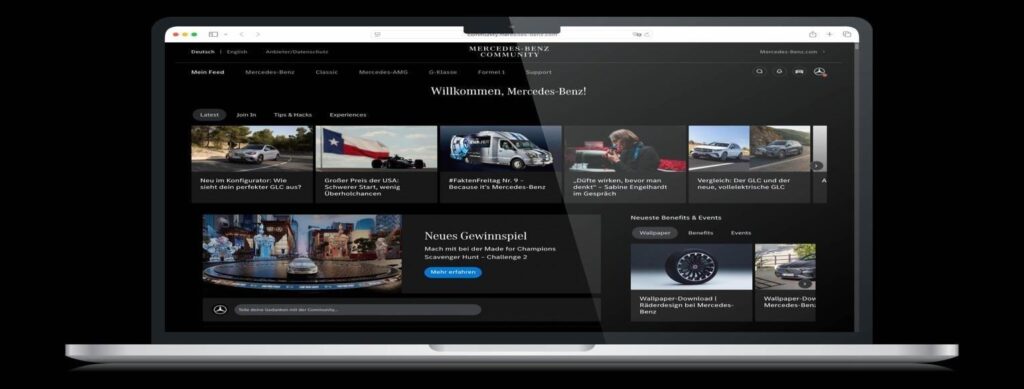
Platform Objective
- Customer Engagement
- Product Information
- Event Promotion
- Community Interaction Official Facebook
Facebook – Mercedes-Benz Official Content Strategy
- Vehicle Launches
- Event Coverage
- Product Features
- Brand Stories
YouTube Analysis
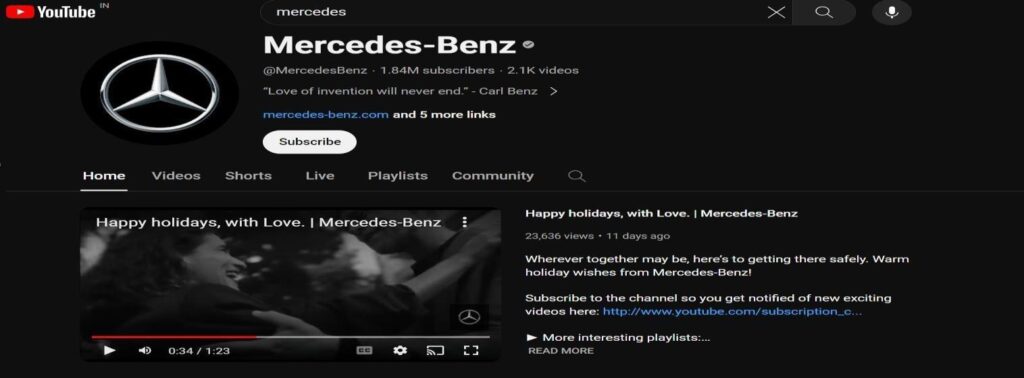
Platform Objective
- Long-form Storytelling
- Product Demonstrations
- Campaign Videos
- Technology Showcase
Official YouTube
YouTube – Mercedes-Benz Official Popular Content
- Vehicle Launch Films
- EQ Electric Series
- AMG Performance Videos
- Formula 1 Content
LinkedIn Analysis

Platform Objective
- Corporate Branding
- Employer Branding
- Investor Confidence
- Industry Leadership Official LinkedIn
LinkedIn – Mercedes-Benz Group
Content Strategy
- Corporate News
- Sustainability Reports
- Leadership Updates
- Innovation Stories
X (Twitter) Analysis
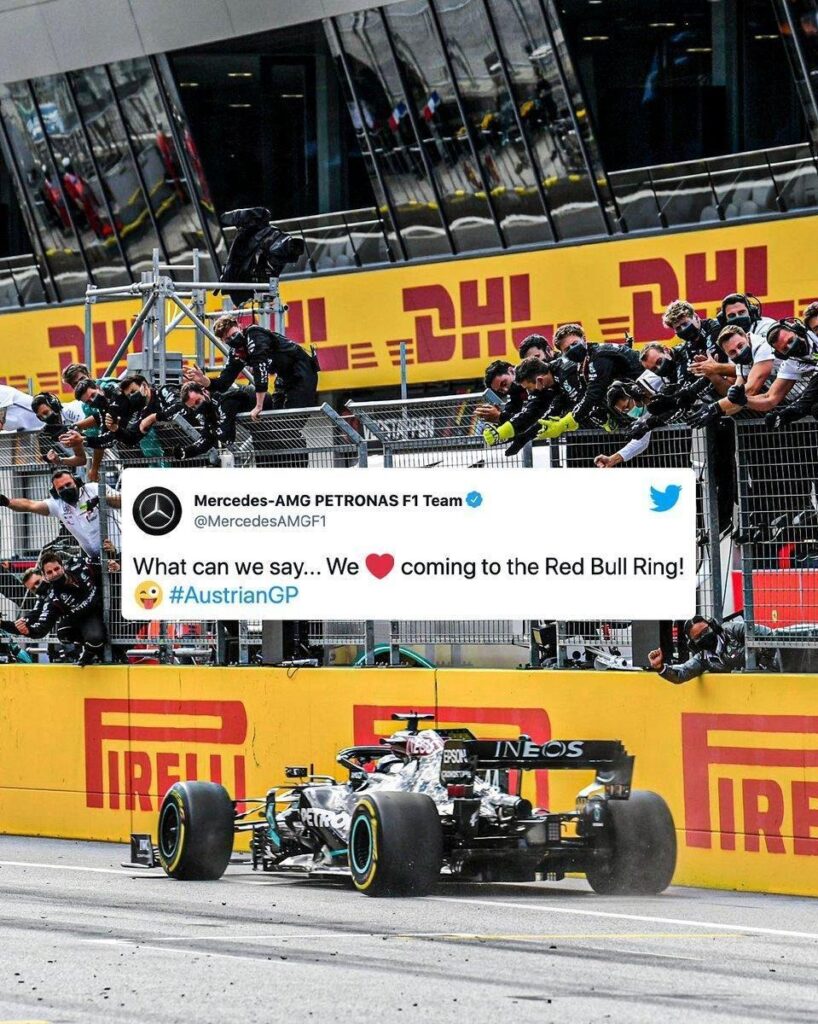
Platform Objective
- Real-Time Updates
- Product Announcements
- Motorsport Coverage
- Customer Interaction
Official X Account
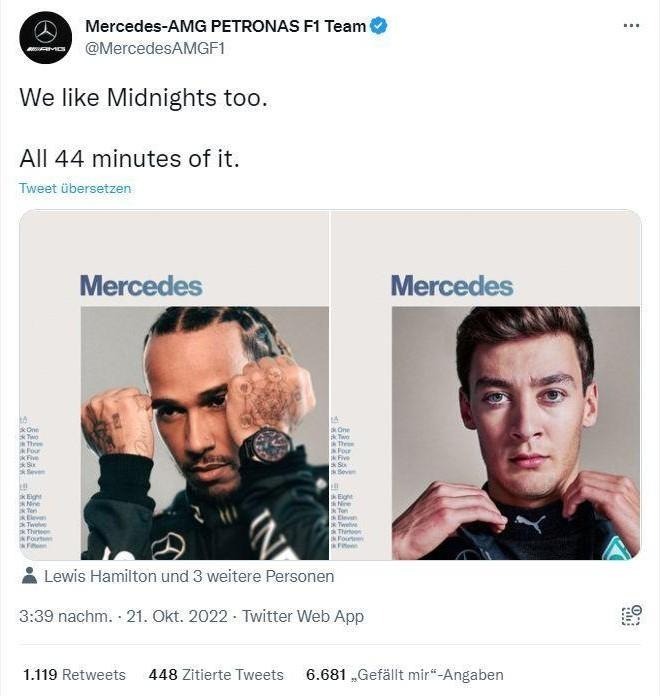
X (Twitter) – Mercedes-Benz Official Most Successful Content Types
- Formula 1 Updates
- Product Launches
- Campaign Announcements
- Technology Innovations
TikTok Analysis
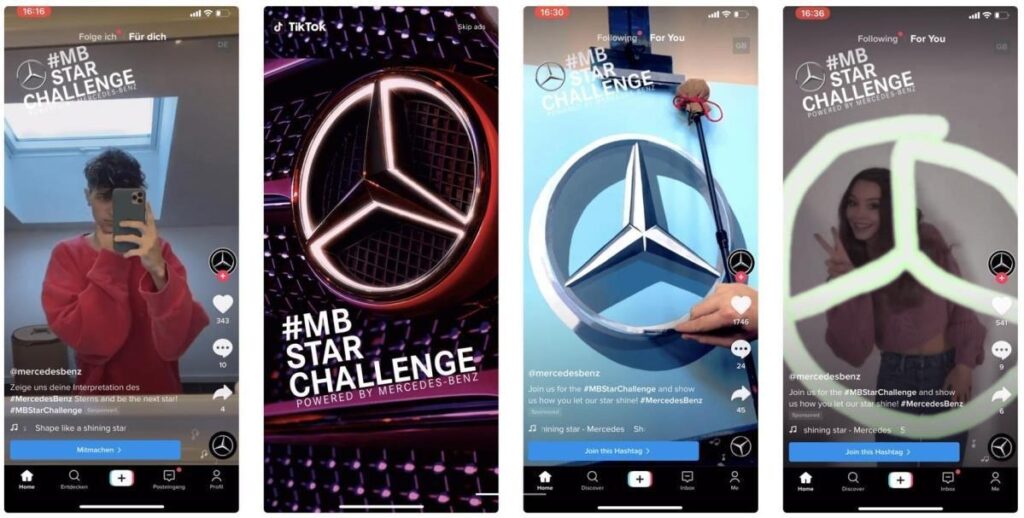
Platform Objective
- Reach Gen Z
- Increase Brand Awareness
- Short-form Video Marketing Official TikTok
TikTok – Mercedes-Benz Official Popular Content
- Behind The Scenes
- Car Cinematics
- Short Luxury Clips
- Creator Collaborations
Social Media Audience Distribution
Estimated social media audience mix
Illustrative audience distribution across major platforms. Facebook
Instagram LinkedIn TikTok
X
YouTube
Revenue Growth & Brand Expansion
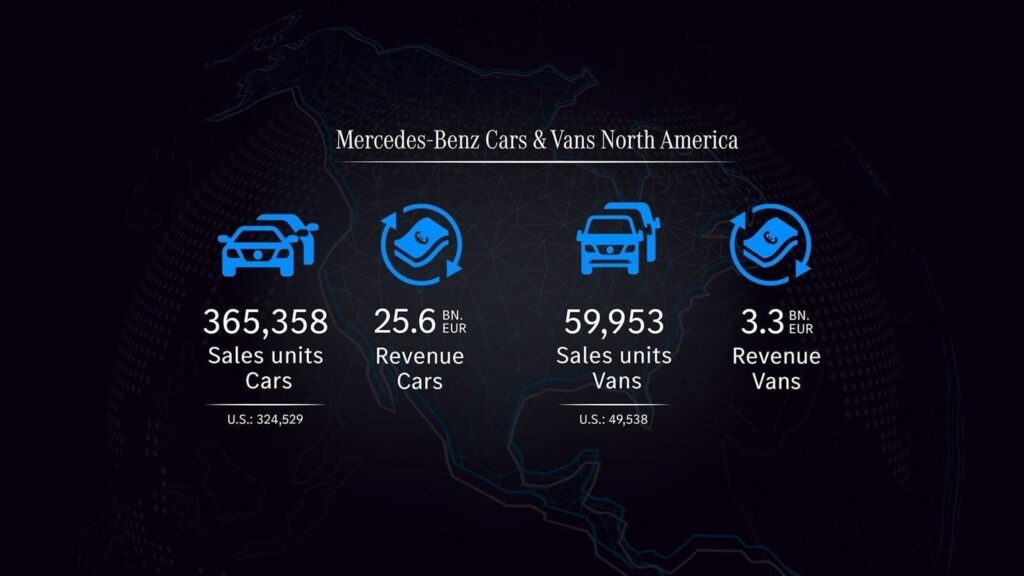
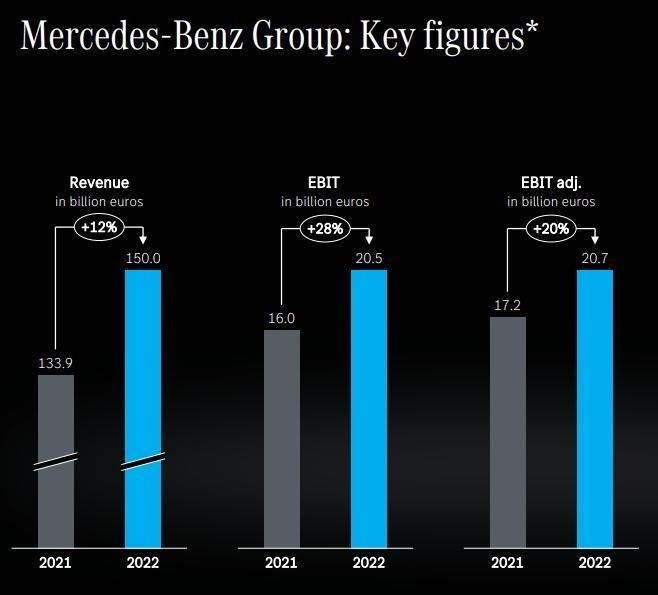
Mercedes-Benz has consistently demonstrated strong revenue growth by combining innovation, premium craftsmanship, and a customer-centric business strategy. The company has successfully expanded its global presence by introducing new luxury vehicle segments, investing heavily in electric mobility through the Mercedes-EQ lineup, and embracing advanced digital technologies that enhance both the customer experience and operational efficiency. Its focus on research and development has enabled the brand to remain at the forefront of automotive innovation, offering cutting-edge features such as intelligent driving assistance systems, connected vehicle technology, and sustainable mobility solutions.
The brand’s expansion strategy extends beyond product innovation, emphasizing stronger relationships with customers through personalized services, digital retail platforms, and premium after-sales support. By entering emerging markets while reinforcing its position in established regions such as Europe, North America, and Asia-Pacific, Mercedes-Benz has significantly increased its global market share and strengthened its reputation as one of the world’s most recognized luxury automotive brands. Strategic partnerships, targeted marketing campaigns, and continuous investment in brand storytelling have further enhanced consumer trust and brand loyalty.
Conclusion
Mercedes-Benz is one of the most successful luxury automotive brands in the world. Over more than 100 years, the company has maintained its market leadership through innovation, engineering excellence, premium customer experiences, and strong branding.
One of the biggest reasons for Mercedes-Benz’s success is its consistent brand positioning. The brand has always made luxury, performance, safety, and innovation the core elements of its identity. As a result, customers view Mercedes-Benz not just as a car manufacturer but as a symbol of success, prestige, and status.
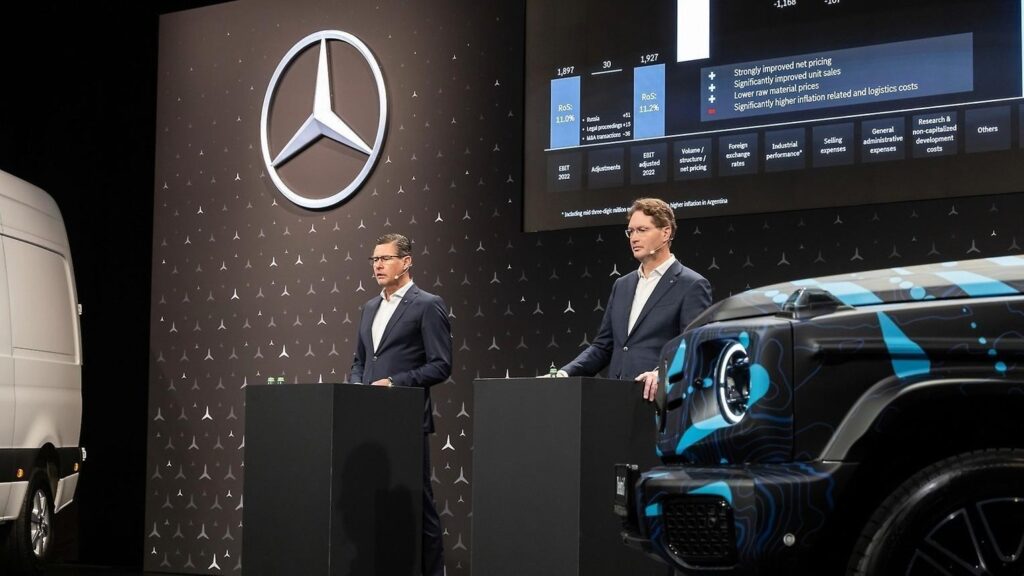
During the era of digital transformation, Mercedes-Benz has successfully maintained its relevance through social media marketing, influencer collaborations, Formula 1 sponsorships, and electric vehicle initiatives. The company has effectively targeted not only traditional luxury car buyers but also younger professionals and environmentally conscious EV customers.
Today, Mercedes-Benz is considered a benchmark brand in the luxury automobile industry and is strongly positioned for future growth through advancements in electric mobility, artificial intelligence, and digital customer experiences.
Key Findings
Brand Strength
- One of the world’s most recognized luxury brands.
- Strong heritage and premium market reputation.
- Global customer trust and loyalty.
Marketing Strategy
- Consistent luxury positioning.
- Emotional storytelling approach.
- Strong Formula 1 association.
- Effective celebrity partnerships.
Digital Marketing
- Strong presence across all major social media platforms.
- High-quality visual content strategy.
- Successful use of video marketing.
- Strong influencer collaborations.
Product Portfolio
- Wide range of luxury vehicles.
- Performance-focused AMG division.
- Growing electric vehicle lineup under EQ.
Customer Experience
- Premium showroom experience.
- Personalized customer journey.
- Strong after-sales support.
Competitive Advantage
- Luxury brand perception stronger than many competitors.
- Long-standing automotive heritage.
- Innovation and safety leadership.
- Strong global dealership network.
Growth Drivers
- Expanding electric vehicle market.
- Digital transformation initiatives.
- Formula 1 global visibility.
- Emerging market expansion opportunities.
Key Learnings For Businesses
- Consistent branding creates long-term trust.
- Premium positioning can justify premium pricing.
- Emotional marketing is more powerful than feature-based marketing.
- Social media is essential for modern brand growth.
- Strategic partnerships and sponsorships can significantly increase brand awareness.
- Innovation is necessary to maintain market leadership.
- Customer experience is as important as product quality.
- Adapting to market trends ensures long-term sustainability.
Final Presentation Takeaway
Mercedes-Benz is not just selling cars; it is selling luxury, status, innovation, and aspiration. This combination of strong branding, technological excellence, and customer-focused marketing has made Mercedes-Benz one of the most successful automotive brands in the world.